A free resource for people seeking service dogs

The right dog
changes everything.

We connect people living with disability to trusted service dog providers, plain-language guidance, and a community that has been there.
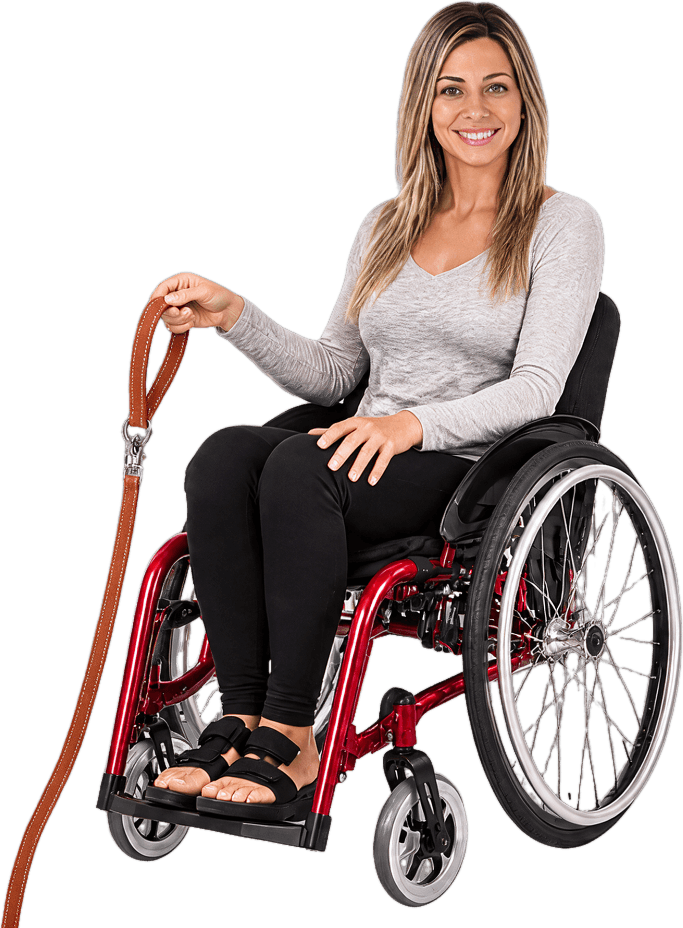
A smiling woman in a red lightweight wheelchair holds her dog's tan leather leash in one hand.

Not pets. Partners with a job.

Every service dog is individually trained to perform tasks directly related to its handler's disability. Here are six of the most common.

  • 01

    Guide

    Leads people who are blind or have low vision around obstacles, curbs and traffic.

  • 02

    Seizure response

    Stays close during a seizure, fetches help or a phone, and can be trained to activate an alert device.

  • 03

    Diabetic alert

    Detects scent changes linked to high or low blood sugar and signals the handler to check.

  • 04

    Mobility

    Retrieves dropped items, opens doors, pulls a wheelchair and helps with balance.

  • 05

    Hearing

    Alerts people who are deaf or hard of hearing to alarms, doorbells and their name.

  • 06

    Psychiatric & PTSD

    Interrupts panic or anxiety episodes, creates space in crowds and grounds the handler.

Service dog, therapy dog, or emotional support?

They're often confused, but the law treats them very differently.

How U.S. law treats service dogs, emotional support animals and therapy dogs
Service dogEmotional support animalTherapy dog
Individually trained to do tasks for one person's disabilityYesNoNo — trained to comfort many people
Public access to stores, restaurants and other businesses (ADA)YesNoOnly where invited
Housing protections, including “no pets” buildings (Fair Housing Act)YesYesNo
Flies in the aircraft cabin as a right (DOT Air Carrier Access Act rules)Yes (airlines may require DOT forms)NoNo

A plain-language summary of U.S. federal law, not legal advice. State and local laws can add protections. Sources: ADA.gov, HUD, U.S. DOT.

From “I think I need one” to your first day together.

  1. Understand your need

    Talk with your doctor about which tasks a dog could do for you.

  2. Find a provider

    Compare programs by state, specialty and eligibility.

  3. Apply & wait

    Most programs have an application and a waitlist. We'll help you prepare.

  4. Train as a team

    You and your dog learn to work together before going home.

  5. Life, together

    We're still here for the questions that come after.

Find a provider near you.

Choose your state to see programs we know. Don't see one? Ask us — we'll help you look.

Or pick a state on the grid. Use the arrow keys to move between states.

33 programs · 28 states

Where are you?

Choose a state to see the service dog programs we list there. Many national programs also place dogs across state lines.

Stories

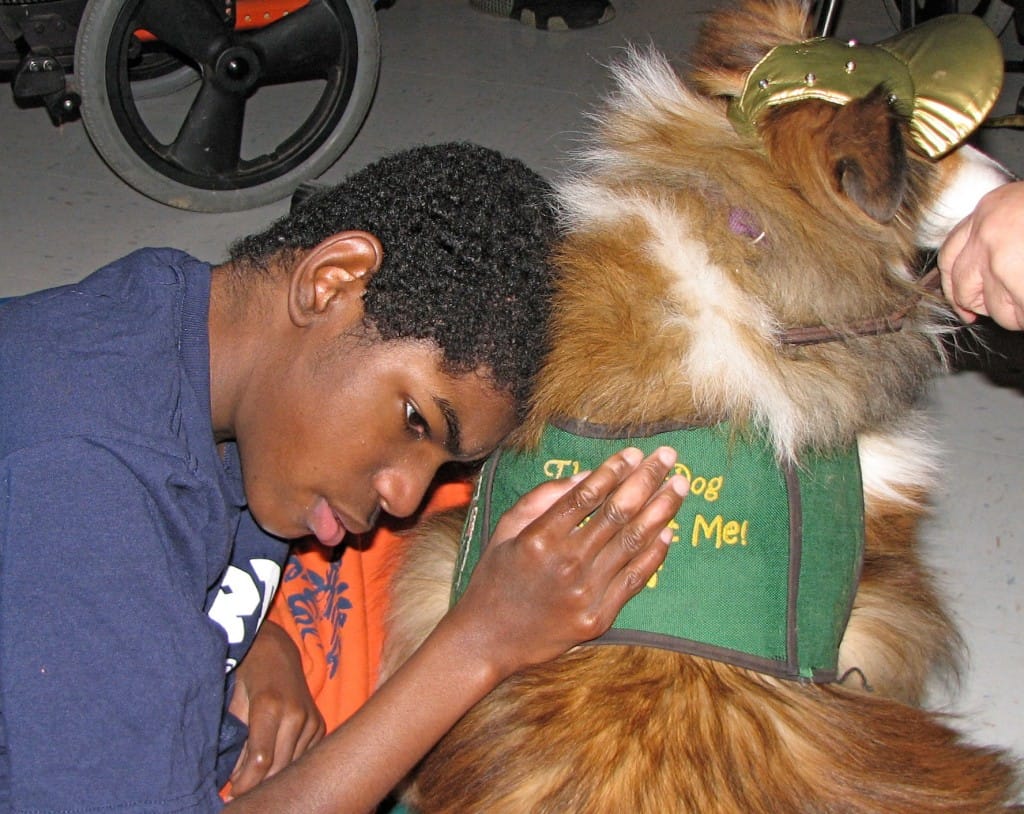
Dwight rests his head against Lucy, a fluffy collie in a green vest, one hand on her back.

I.A.N. was an invaluable resource for me as I went through the process to get Lucy. Their help and the resources they had available made the whole process much less daunting.

Dwight · service dog handler since 2003

IAN was started by Ian Shulman, who got his first service dog in 2011 — and wanted the next person to have an easier road.

Know your rights

Two questions. That's all they can ask.

  1. Is the dog required because of a disability?
  2. What work or task has the dog been trained to perform?

Under the ADA, businesses can't ask about your disability, require paperwork or an ID, or ask the dog to demonstrate its task. They can ask you to remove a dog that's out of control or not housebroken. Read the ADA guidance